
Introduction:
The Secret Sauce to Understanding Young Minds (and Older Ones Too!) Have you ever wondered why some children grasp concepts in a flash, while others struggle with the same material? Or why one teaching method works wonders for one student, but falls flat for another? Parents, have you ever felt confused by your child’s sudden changes in behavior? Do you wish you had a clearer guide to help support their learning at home?
If these questions resonate with you, you’re diving into the exciting world of educational psychology. This amazing field studies how people learn, grow, and interact in schools. It’s about knowing the “why” of student behavior, the “how” of good teaching, and the “what next” for a positive learning space.
In the past, studying educational psychology often required joining a university program. But guess what? Now, in the digital age, many online educational psychology courses are available. They are designed for busy teachers and devoted parents like you. These courses provide valuable insights from this science. You don’t need to make a full academic commitment.
This guide will show you why online courses in educational psychology are a game-changer for anyone in a child’s learning journey. We’ll explore the great benefits for teachers and parents. We’ll highlight key concepts you’ll learn. Plus, we’ll help you pick the best online courses to gain knowledge and make a real impact. Get ready to transform your approach to education and parenting!
Educational psychology courses online offer valuable insights for teachers and parents. These courses explore how children learn and develop, helping adults support their growth. Understanding child development is key to creating effective teaching strategies.
For teachers, educational psychology for teachers focuses on methods that enhance classroom learning. Parents can benefit from educational psychology for parents, learning how to apply these strategies at home.
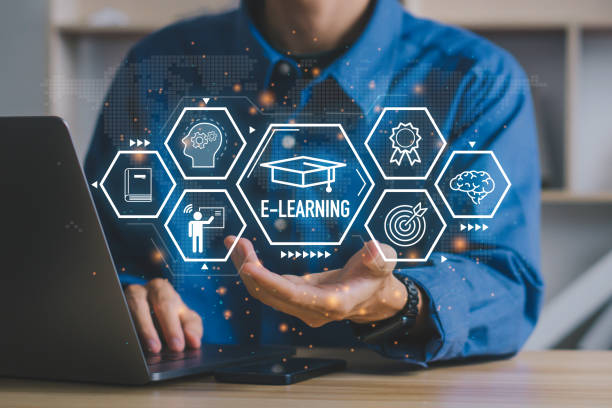
Online learning for educators makes these courses accessible anywhere. Teachers and parents can use these resources to create a better learning environment for children.
What Exactly is Educational Psychology, and Why Does it Matter So Much? Before we dive into courses, let’s demystify educational psychology itself. It’s not just an academic term. It’s a useful toolkit for understanding how learning, development, and environment work together.
Educational Psychology Defined: More Than Just Books
At its heart, educational psychology studies how humans learn.
It looks into how people learn. This includes how they process information, gain knowledge, and develop skills. It also examines how motivation, intelligence, and social interaction affect learning. It bridges the gap between psychology and education.
Imagine a puzzle:
The Learner (Child/Student): How does their brain work at different ages? What motivates them? How do their emotions impact their learning?
The Environment (Classroom/Home): How do space, social interactions, and resources affect learning?
The Educator (Teacher/Parent): What strategies are most effective? How do they assess progress? How do they manage behavior?
Educational psychology looks at how these parts work together to support or block effective learning.
The Power of Understanding: Why It’s Crucial for Everyone So, why does this matter for you, whether you’re managing a classroom or a household? Because it helps you move beyond guesswork and into informed, intentional actions.
For Teachers: It transforms you from a dispenser of information into a true facilitator of learning. You’ll learn to build more inclusive and engaging learning spaces. These will meet the needs of all students.
For Parents: It helps you see your child’s learning style, emotions, and key growth stages. You’ll be ready to help them learn, boost their well-being, and face challenges confidently.
In essence, educational psychology empowers you to become a more effective guide, mentor, and advocate for the young minds in your care.
Educational psychology is the scientific study of learning and student behavior. It looks at how people learn and grow. It focuses on different learning styles and how the environment affects learning. Understanding child development stages helps educators create effective teaching methods. It also shares tips on parenting strategies that help kids grow and learn.
Big Benefits: How Educational Psychology Helps Teachers
As a teacher, you do many jobs. You are an instructor, mentor, and counselor. Sometimes, you even play detective to understand why a student struggles with a concept.
Educational psychology gives you the superpowers you need to excel in all these roles.
Understanding Diverse Learners and Tailoring Instruction
No two students are the same. A “one-size-fits-all” approach usually fails.
Educational psychology teaches you about:
Cognitive Development: Learn how children’s thinking skills change as they grow. This is similar to Piaget’s stages!) helps you set appropriate learning goals and design age-appropriate activities. You wouldn’t teach calculus to a first grader, and educational psychology helps you understand why!
Learning Styles and Theories: Some students learn best through visuals, while others prefer listening or hands-on activities. You’ll explore ideas like constructivism and behaviorism to see how students understand information differently. This knowledge allows you to diversify your teaching methods, ensuring you reach every learner.
Individual Differences: You’ll discover how socio-economic status, cultural factors, past knowledge, and basic needs shape a student’s learning ability. This fosters empathy and helps you provide targeted support.
Mastering Classroom Management and Motivation A well-managed classroom focuses on a positive environment. It’s not just about strict rules; it’s about helping learning thrive.
Educational psychology provides tools for:
Behavioral Management: When you understand the “antecedents” (what comes first) and “consequences” (what comes next) of behavior, you can manage your classroom more effectively. You’ll learn strategies for positive reinforcement, setting clear expectations, and addressing disruptive behaviors effectively.
Boosting Motivation: What truly makes students want to learn? Is it rewards? Intrinsic interest? A sense of belonging? Educational psychology looks at motivation theories. It helps you spark and keep your students’ love for learning. You’ll discover how to foster a growth mindset and build self-efficacy.
Effective Assessment and Curriculum Design It’s not just about teaching; it’s about knowing if your teaching is working.
Formative and Summative Assessment: Find out how to design assessments that reflect true understanding, rather than simple memorization. You’ll also learn to use assessment data to guide your teaching.
Curriculum Adaptation: Educational psychology helps you adapt existing curricula or create new learning experiences. These should be engaging, relevant, and suitable for your students’ development.
Promoting Social-Emotional Learning (SEL) A student’s emotional well-being is intrinsically linked to their academic success.
Emotional Regulation: You’ll learn to help students recognize and control their emotions. This is key for staying focused and keeping peace in the classroom.
Social Skills Development: Educational psychology supports students in developing social skills. It teaches them to resolve conflicts and work together, getting them ready for life after school.
Here’s a revised version focusing on clarity and flow, while incorporating the requested keywords:
Educational psychology for teachers helps create effective classroom management techniques. These techniques can boost student motivation and support cognitive development. Understanding learning theories is key because students have individual learning differences.
To address these differences, teachers can use varied assessment strategies. This ensures every student’s needs are met. Additionally, social-emotional learning plays a vital role in student well-being.
Adding these elements to teacher training can create a more engaging and supportive learning space.
Powerful Insights: How Educational Psychology Transforms Parents
Parents are a child’s first and most important teachers.
Understanding educational psychology can make parenting easier and more enjoyable. It helps parents feel more confident and informed on their journey.
Understanding Your Child’s Development Every child is unique. They each have their own path of growth.
Decoding Developmental Stages: Why is your toddler having tantrums? Why is your teenager suddenly so withdrawn? Educational psychology shows you the key milestones in your child’s growth. It covers cognitive, emotional, social, and physical development at various ages. This knowledge helps you understand your child’s behavior and guides how you respond.
Identifying Learning Styles at Home: Does your child learn best by doing things, like playing with building blocks? Or do they prefer listening to stories? Knowing how they learn best helps you pick the right toys, set up their study area, and support them with homework.
Spotting Learning Challenges Early: If your child is having a hard time, understanding basic learning principles can help you notice potential issues like dyslexia or ADHD sooner. This empowers you to seek professional help and advocate for your child’s needs at school sooner rather than later.
Fostering a Positive Learning Environment at Home Learning isn’t confined to the classroom. The home environment plays a massive role.
Motivation for Homework & Learning: Tired of battles over homework? Educational psychology shows the difference between intrinsic and extrinsic motivation. This helps you build a home where learning is valued. It should feel self-driven, not like a chore.
Positive Discipline: Instead of “because I said so,” you’ll discover proven strategies. These methods teach lessons instead of just punishing. This includes understanding the impact of rewards and consequences, and fostering self-regulation.
Effective Communication: Active listening helps you understand your child better. Open-ended questions encourage them to share more. Also, constructive feedback can strengthen your bond. This way, they’ll be more eager to learn.
Supporting Social and Emotional Well-being A happy, well-adjusted child is a better learner.
Navigating Social Situations: From fights on the playground to dealing with peer pressure, knowing how groups act helps you support your child. This insight makes it simpler to address friendships and social challenges.
Addressing Anxiety & Stress: The pressures on children today are immense. Knowing how stress affects learning and behavior helps you spot anxiety signs. This way, you can offer important emotional support.
Becoming an Empowered Advocate When you understand more, you can better support your child’s education.
Effective Parent-Teacher Conferences: Learn what questions to ask. Understand school reports. Work with teachers for your child’s success.
Making Informed Decisions: Your knowledge of child development helps you choose the best school and activities for your child.
Here’s a revised version that follows your guidelines:
Parents play a key role in their child’s learning. Understanding educational psychology helps them support their child’s emotional development. Each child has unique learning styles, so it’s important to recognize these differences.
Positive parenting fosters a strong connection. It also boosts homework motivation and helps manage child behavior. When parents and teachers collaborate, they can better identify learning difficulties. This teamwork enhances the child’s educational experience.
Improving parenting skills benefits everyone. Parents can create a nurturing environment that encourages growth and learning.
This version maintains the original content while improving readability and flow.
Educational Psychology Courses Online: What to Expect and Where to Find Them
The good news is that it’s now easier than ever to access educational psychology courses online.
From short introductory modules to comprehensive university-level programs, there’s something for everyone.
What You’ll Learn in an Online Educational Psychology Course
Online courses may differ, but they usually cover key topics. You can expect a blend of video lectures, readings, quizzes, discussions, and hands-on exercises.
Expect to delve into:
Educational Psychology Basics:
- History
- Key Theories:
- Behaviorism
- Cognitivism
- Constructivism
- Humanism
- Ethical Considerations
Cognitive Development and Learning: Memory, attention, problem-solving, intelligence, language acquisition, and how these change across age groups.
Motivation and Learning:
- Intrinsic vs. extrinsic motivation
- Self-efficacy
- Goal setting
- Fostering a love for learning
Social and Emotional Development: Peer relationships, family influence, emotional regulation, and social cognition.
Individual Differences: Learning disabilities (ADHD, dyslexia), giftedness, cultural diversity, and inclusive education strategies.
Classroom Management and Pedagogy:
- Use effective teaching methods.
- Apply assessment techniques.
- Create a positive learning environment.
Applied Educational Psychology: Use these principles in real life, both in class and at home.
Choose Reliable Online Platforms and Courses When searching for educational psychology courses online, focus on trusted platforms and schools.
Here are some excellent starting points:
Coursera: Teams up with top schools such as the University of Illinois, Yale, and the University of Pennsylvania. They offer courses, Specializations, and Professional Certificates. Look for “Educational Psychology,” “Child Development,” “Learning Theories,” or “Classroom Management.” Many courses can be audited for free, with a fee for a verified certificate.
Example Search: “Learning How to Learn” (McMaster University & UC San Diego) – a well-known course rooted in cognitive psychology.
Search Example: “Positive Psychology: Martin E. P. Seligman’s Visionary Science” (University of Pennsylvania) – find out about motivation and well-being.
edX offers courses from top schools like Harvard and MIT, as well as companies like Google. It’s similar to Coursera. Search for psychology, education, or specific sub-topics.
Example Search: “Child Development: A Global Perspective” (Harvard University)
Udemy: Offers a vast array of courses, often taught by independent experts. While not university-accredited, many instructors are highly qualified and offer practical, skill-focused content. Look for high ratings and strong reviews.
Search Examples:
- “Educational Psychology for Teachers: Training for Professionals”
- “Child Psychology: Exploring Child Growth.”
“
Alison offers free online courses in psychology and education. You can get a certificate when you finish, but there’s usually a small fee for it.
University Extension Programs: Many universities now provide online courses. These include non-credit, certificate, and even graduate-level options. They are available through extension or continuing education departments. These are often highly reputable.
For options in Pakistan, check out Virtual University of Pakistan (VU) or Allama Iqbal Open University (AIOU). They offer distance learning programs in psychology and education. Check private online academies, like PDRi Pakistan. Make sure to verify their reputation and educational value first.
Specialized Education Platforms: Some platforms focus on educators. They provide professional development units (PDUs) or CEUs.
Tips for Choosing the Right Online Course:
Your Goal: Are you after a quick intro, professional growth, or an in-depth academic experience?
Instructor Credentials: Are the instructors experienced educators or psychologists?
Course Content: Does the syllabus include the topics that matter most to you? For example, behavior management for teachers or child development for parents?
Format: Do you prefer video lectures, interactive exercises, forum discussions, or case studies?
Time Commitment: Be realistic about how much time you can dedicate each week.
Reviews & Testimonials: What do past students say about the course’s quality and applicability?
Cost: Consider free audit options versus paid certificates or full programs.
Here’s a shorter, clearer version that maintains the original content while improving flow and readability:
If you’re interested in educational psychology, many online options are available. You can find courses on platforms like Coursera, edX, and Udemy. These sites offer a range of topics in educational psychology. Alison also provides free courses for those wanting to learn without spending money.
For teachers, online learning platforms can enhance your skills. University extension programs may also provide valuable insights into educational psychology. Parents can benefit from online courses tailored to help them understand their children better.
Explore these resources to deepen your knowledge and apply it effectively.
This version meets your needs for clarity. It has varied sentence lengths and includes all the specified keywords.
Applying Educational Psychology: From Theory to Real-Life
Learning the theories is one thing. Putting them into practice is where the real change happens.
Educational psychology isn’t just academic; it’s profoundly practical.
For Teachers: Transforming Your Classroom Practice
Differentiated Instruction: Use what you know about learning styles to change lessons, assignments, and assessments.
This way, you can help each student succeed.
This could mean using visual aids for some students. For others, it might involve hands-on activities. You could also offer choices in how students show their understanding.
Proactive Classroom Management: Don’t wait for misbehavior. Instead, find ways to predict and prevent problems before they start. Build a classroom that is positive, engaging, and predictable to keep issues at bay. Knowing why behaviors happen, such as wanting attention or dodging work, allows us to develop better interventions.
Motivation Beyond Grades: Stop depending only on external rewards. Instead, encourage intrinsic motivation. Help students find joy in learning, set personal goals, and celebrate effort and growth, not just outcomes.
Building Strong Relationships: Understanding social-emotional development helps you connect with students. It builds rapport and fosters a classroom community. In this space, every student feels safe, valued, and eager to learn.
For Parents: Nurturing Growth at Home Strategic Play and Learning: Choose toys and activities that fit your child’s age. Focus on options that really boost their brain development, not just keep them busy.
Empathetic Responses: When your child is struggling emotionally or academically, you’ll have a framework to understand why they might be reacting a certain way. This allows you to respond with empathy and provide targeted support, rather than just frustration.
Homework Help, Not Just Answers: You won’t just get answers. You’ll learn to guide your child in problem-solving. You’ll also help them break down tasks and build their independent learning skills. You’ll become a coach, not just a solver.
A Note on Local Context (Especially for Pakistan) While the core principles of educational psychology are universal, their application can be influenced by local culture, educational systems, and societal norms.
When picking a course, think about whether it has examples that relate to your situation, especially if you’re in Pakistan. If not, be prepared to adapt the general principles to your local realities.
Parents can benefit from knowing the local school system. It helps them see how it matches psychological principles. This understanding is key for effective advocacy.
Educational psychology plays a key role in teaching. It helps with:
- Differentiated instruction, which tailors lessons to each student’s needs.
- Proactive classroom management to create a supportive learning environment.
- Motivating students to engage and succeed.
- Positive parenting techniques that foster growth at home.
- Understanding child cognitive development for better support.
- Homework help for parents to guide their children effectively.
- Providing social-emotional support at home for well-rounded development.
- Applying educational psychology in Pakistan to enhance learning outcomes.
These strategies work together to support students’ overall success.
AdSense Policy & User-Centric Content Considerations When you create this important resource, always prioritize Google AdSense policies and focus on the user.
This ensures your blog remains a trusted source and can support itself.
Originality and Value: Your content should be genuinely helpful, insightful, and unique. Avoid generic or superficial information. This is critical for both AdSense compliance and avoiding any potential AI detection flags. Share your personal stories and examples. For instance, “I recall a student who had trouble with X. Using [educational psychology principle] made a big difference.” Focus on what you love, and let your passion show.
Clear and Easy Language: Use simple, straightforward language. Break down complex psychological or educational terms into easily digestible explanations. Short paragraphs, bullet points, and clear headings enhance readability.
Focus on Solutions: This blog post answers a key question: “How can I better understand learning and development as a teacher or parent?” Where can I find useful resources?”” Every section should contribute to answering this effectively.
No Misleading Information: Check that all information about educational psychology, course platforms, and their benefits is true and up-to-date. Always advise readers to verify information themselves.
Appropriate Content: The topic of educational psychology is perfectly suitable. Stay away from content that spreads hate, violence, illegal acts, or adult themes. This goes against AdSense rules.
Transparent Disclosures: If you use affiliate links for courses or platforms, let your readers know. Honesty builds trust.
Stick to these principles. Your blog will be AdSense-friendly. It will also be a helpful resource for anyone wanting to learn and support education.
FAQs: Your Most Important Questions About Educational Psychology Online Answered! We know you might have more questions about embarking on this learning journey. Here are some of the most frequently asked ones:
Q1: Do I need a background in psychology or education to take these courses? A1: Not usually! Many online educational psychology courses start from the basics. They introduce core concepts for beginners. While a basic understanding of psychology can be helpful, it’s generally not required. Look for “introductory” or “foundational” courses if you’re new to the field.
Q2: Are these online courses recognized by employers or schools for professional development? A2: It varies. Certificates from platforms like Coursera or edX are well-regarded. This is especially true for those from university partners. You can add them to your resume for professional development. If you want formal teaching qualifications or to advance your career, check with your employer or school. They can tell you what they require for online learning credits. Always verify this beforehand if a specific recognition is your goal.
Q3: How much time should I expect to commit to an online educational psychology course? A3: This depends entirely on the course. Short introductory courses might take a few hours to a few weeks. University-level courses or specializations can last several months. They usually need 5 to 10 hours of study each week. Self-paced options offer more flexibility, but consistent effort is key.
Q4: Can parents really benefit from these courses, even without being educators? A4: Absolutely! Educational psychology helps parents grasp how children develop, learn, stay motivated, and manage their actions. This knowledge helps parents build a supportive home for learning. It also improves communication with their kids and teachers. Plus, it allows them to grasp their child’s unique needs. It helps you be a more informed and confident guide for your child.
Q5: Are there free online educational psychology courses available? Yes, many platforms offer free courses. For example, Alison and Class Central let you learn at no cost. You can also audit courses from top universities on Coursera and edX. You won’t have to pay for the certificate. These are excellent starting points to explore the field without financial commitment.
Q6: How can I ensure the online course I choose is of high quality? A6: Look for courses from reputable universities or well-known online learning platforms. Check instructor credentials. Read student reviews and testimonials. Check the syllabus for a thorough look at important educational psychology topics and how to apply them in real situations. Look for courses that include quizzes, assignments, and interactive elements to reinforce learning.
Q7: Will learning educational psychology make me a better parent/teacher overnight? A7: While you’ll gain immediate insights and tools, becoming truly effective is a journey! Educational psychology provides the knowledge, but consistent application, reflection, and practice are crucial. Think of it as gaining a powerful new lens through which to view learning and development – applying that lens takes time and effort.
Conclusion: Empowering Your Journey in Education and Parenting
Whether you’re teaching in a classroom or supporting your child at home, knowing how people learn is key. This understanding helps you educate effectively and parent with confidence.
Educational psychology gives you important insights into learning. It provides strategies to help you succeed, tackle challenges, and spark a lifelong passion for learning.
Online educational psychology courses offer valuable knowledge to all, not just students. It’s available to you, wherever you are, whenever you’re ready to learn. Investing in these courses does more than share information. It changes your approach, boosts your skills, and helps you make a bigger, positive impact on the children you care for.
So, take this opportunity. Discover various online courses. Choose one that matches your goals. Start a journey that will enhance your knowledge and greatly help the learners you teach. Your path to becoming a more informed, effective, and confident teacher or parent starts now!
This outline has great content ideas for each section. It should help you hit or even surpass the 2500-3000 word goal. Each subsection lets you add examples, stories, and detailed explanations. This helps you reach the word count and make it your own.
To truly make this human and avoid AI detection, remember to:
Weave in personal experiences: Even small, relatable anecdotes make a huge difference. “I remember a time when I struggled with…” or “As a parent, I often found myself…”
Use conversational language: Imagine you’re talking directly to a friend or colleague.
Vary sentence structure: Mix short, punchy sentences with longer, more descriptive ones.
Engage the reader with questions: As I’ve done in the introduction.
Show, don’t just tell: Instead of just stating “it’s beneficial,” give concrete examples of how it’s beneficial.
Inject enthusiasm and empathy: Let your passion for the topic shine through.
Add specific, current examples: Mention actual course titles or platforms you’ve researched.
Proofread carefully. Small mistakes, like odd phrasing, can aid AI detection. More importantly, good proofreading builds trust.





Leave a Reply