
Introduction
Confidence is one of the most important qualities a student can develop. It affects how students speak, learn, interact with others, and face challenges in both academic and personal life. A confident student is more likely to participate in class, ask questions, take initiative, and perform well in exams and presentations.
However, many students struggle with low confidence. They may feel nervous while speaking, hesitate to share their ideas, or fear making mistakes. This lack of confidence can limit their growth and prevent them from reaching their full potential.
The good news is that confidence is not something you are born with—it is a skill that can be developed over time. By following the right strategies and building positive habits, any student can improve their self-confidence.
This guide explains how to build confidence as a student using practical and easy-to-follow methods that can create long-term improvement.
What Is Confidence?
Confidence is the belief in your own abilities, skills, and decisions. It means trusting yourself and having the courage to face challenges without fear.
For students,To build confidence includes:
- Believing in their ability to learn
- Speaking without hesitation
- Participating in activities
- Handling failures positively
Confidence does not mean being perfect—it means being willing to try, learn, and improve.
Why Confidence Is Important for Students
Confidence plays a major role in a student’s overall development.
Improves Academic Performance
Confident students actively participate in class and understand lessons better.
Enhances Communication Skills
Confidence helps students express ideas clearly and effectively.
Reduces Fear and Anxiety
Students feel less nervous during exams, presentations, and discussions.
Encourages Personal Growth
Confident students are more willing to try new things and take risks.
Prepares for Career Success
Confidence is essential for interviews, teamwork, and leadership roles.
Common Reasons for Low Confidence in Students
Understanding the causes of low confidence is the first step toward improvement.
Fear of Failure
Students often avoid trying because they are afraid of making mistakes.
Negative Self-Talk
Thinking “I can’t do this” reduces confidence.
Lack of Preparation
Students feel nervous when they are not well prepared.
Comparison with Others
Comparing yourself to others can lower self-esteem.
Past Negative Experiences
Previous failures or criticism can affect confidence.
Proven Ways to Build Confidence as a Student
1. Set Small and Achievable Goals
Confidence grows when you achieve goals, even small ones.
Start with simple tasks:
- Complete one assignment on time
- Speak once in class
- Learn one new concept daily
Each small success build confidence step by step.
2. Prepare and Practice Regularly
Preparation reduces fear and increases confidence.
Students should:
- Review lessons before class
- Practice presentations
- Study regularly instead of last-minute cramming
The more prepared you are, the more confident you feel.
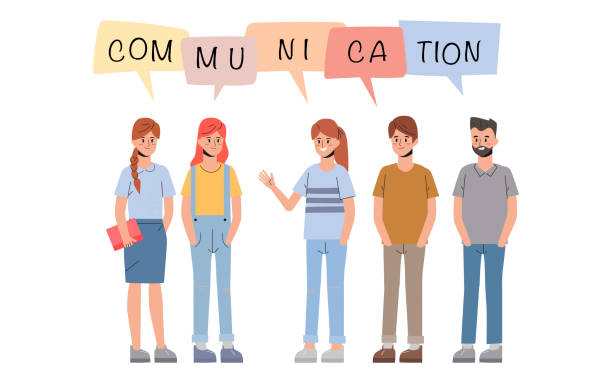
3. Improve Communication Skills
Strong communication skills help students express themselves clearly.
To improve:
- Practice speaking daily
- Participate in discussions
- Ask questions in class
Better communication leads to higher confidence.
4. Develop a Positive Mindset
Your mindset has a direct impact to build confidence.
Students should:
- Replace negative thoughts with positive ones
- Focus on strengths instead of weaknesses
- Learn from mistakes
A positive mindset builds inner confidence.
5. Stop Comparing Yourself to Others
Every student has a unique learning journey.
Instead of comparing:
- Focus on your own progress
- Set personal goals
- Celebrate your achievements
Self-improvement is more important than competition.
6. Improve Body Language
Body language affects how you feel and how others perceive you.
Students should:
- Maintain eye contact
- Stand and sit confidently
- Avoid slouching
- Smile while communicating
Confident body language creates a strong impression.
7. Step Out of Your Comfort Zone
Growth happens when you face challenges.
Students should:
- Participate in class activities
- Try public speaking
- Join competitions
Facing fears gradually increases confidence.
8. Learn from Mistakes
Mistakes are part of learning.
Instead of fearing mistakes:
- Accept them
- Learn from them
- Improve next time
This approach builds resilience and confidence.
9. Surround Yourself with Positive People
Your environment affects your confidence.
Students should:
- Spend time with supportive friends
- Avoid negative influences
- Seek guidance from teachers
Positive environments encourage growth.
10. Take Care of Your Physical and Mental Health
Health plays an important role in confidence.
Students should:
- Get enough sleep
- Exercise regularly
- Eat healthy food
- Manage stress
A healthy body supports a confident mind.
Daily Habits to Build Confidence
Developing daily habits is essential for long-term improvement.
Morning Routine
- Start the day with positive thoughts
- Set goals for the day
During Study Time
- Focus on learning
- Avoid distractions
Evening Reflection
- Review what you achieved
- Identify areas for improvement
Consistency in daily habits builds confidence over time.
Confidence Building Activities for Students
Students can practice activities that helps to build confidence.
Public Speaking
Practice speaking in front of others.
Group Discussions
Share ideas and listen to others.
Debates
Develop argument and speaking skills.
Role-Playing
Practice real-life situations like interviews.
These activities provide practical experience.
Common Mistakes Students Should Avoid
Avoid these mistakes while building confidence:
- Waiting for perfection
- Avoiding challenges
- Negative thinking
- Lack of practice
- Giving up too early
Confidence requires effort and patience.
Benefits of Being a Confident Student
Students who develop confidence enjoy several advantages.
Better Academic Results
They participate actively and understand better.
Strong Communication Skills
They express ideas clearly.
Leadership Qualities
They take initiative and responsibility.
Career Opportunities
They perform well in interviews and workplaces.
Long-Term Impact of Confidence
Confidence has a lasting impact on a student’s life.
It helps in:
- Building leadership skills
- Achieving career goals
- Handling challenges
- Developing a strong personality
Confident students are better prepared for future success.
Frequently Asked Questions (FAQs)
How can students build confidence quickly?
Students can build confidence by setting small goals, practicing regularly, and maintaining a positive mindset.
Why do students lack confidence?
Common reasons include fear of failure, negative thinking, and lack of preparation.
Can confidence be learned?
Yes, confidence is a skill that can be developed with consistent effort.
How long does it take to build confidence?
It depends on practice, but regular effort shows improvement within weeks.
What are the best confidence-building activities?
Public speaking, group discussions, and presentations are highly effective.
Does confidence improve academic performance?
Yes, confident students participate more and understand better.
Conclusion
Confidence is a key factor in a student’s success. It influences how students learn, communicate, and handle challenges. While many students struggle with low confidence, it is a skill that can be developed with the right approach.
By following these strategies on how to build confidence as a student, learners can improve their self-belief, communication skills, and overall personality. The key is to stay consistent, practice regularly, and maintain a positive mindset.
Building confidence is a gradual process, but the results can transform a student’s academic journey and future career.






Leave a Reply