
Introduction
Online education has become one of the most important developments in modern learning. With the rapid growth of digital technology, students now have access to courses, training programs, and certifications through online platforms.
While online learning provides flexibility and convenience, it also comes with certain challenges that students must understand. Many learners often ask whether digital education is as effective as traditional classroom learning.
Understanding the advantages and disadvantages of online learning for students helps learners make informed decisions about their education. By evaluating both the benefits and limitations, students can choose the learning method that best suits their needs.
This article provides a detailed analysis of the pros and cons of online education, helping students understand its impact on learning and academic performance.
What Is Online Learning?
Online learning, also known as e-learning, is a method of education where students access course materials through the internet. Instead of attending physical classrooms, learners participate in virtual lessons, watch video lectures, and complete assignments online.
Modern e-learning platforms provide features such as:
- Video lectures
- Interactive quizzes
- Discussion forums
- Certification programs
These tools make learning more flexible and accessible.
Advantages of Online Learning for Students
Online education offers several benefits that make it an attractive option for students worldwide.
Flexible Learning Schedule
One of the biggest advantages of online learning is flexibility. Students can study at their own pace and choose study times that fit their schedules.
This flexibility allows students to:
- Balance education with work or personal responsibilities
- Study without time pressure
- Focus more on difficult topics
Access to a Wide Range of Courses
Online platforms provide access to thousands of courses across different subjects.
Students can explore:
- Technology and programming
- Business and management
- Healthcare and science
- Personal development
This variety allows learners to choose courses that match their interests and career goals.
Cost-Effective Education
Online learning is often more affordable than traditional education.
Students can save money on:
- Transportation
- Accommodation
- Printed materials
Many platforms also offer free or low-cost courses.
Self-Paced Learning
Students can learn at their own speed, which improves understanding.
They can:
- Pause and replay lectures
- Spend more time on difficult topics
- Skip concepts they already understand
This personalized approach enhances learning efficiency.
Development of Digital Skills
Online learning helps students develop important digital skills.
These include:
- Using online tools
- Virtual communication
- Research skills
- Digital collaboration
These skills are essential for modern careers.
Global Learning Opportunities
Online education connects students with instructors and learners from around the world.
This provides:
- Exposure to different perspectives
- Access to international knowledge
- Opportunities for collaboration
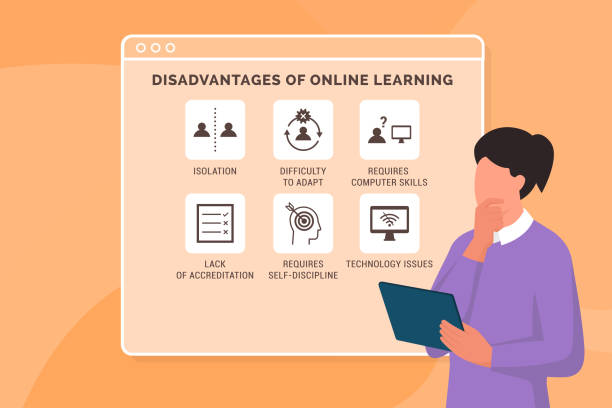
Disadvantages of Online Learning for Students
Despite its benefits, online learning also has certain limitations.
Lack of Face-to-Face Interaction
Online courses may not provide direct interaction with teachers and classmates.
This can make it difficult for students to:
- Ask questions immediately
- Build relationships
- Participate in group discussions
Requires Strong Self-Discipline
Online learning requires students to manage their own study schedules.
Without discipline, students may:
- Procrastinate
- Miss deadlines
- Lose motivation
Digital Distractions
Studying on digital devices can lead to distractions.
Students may be tempted to:
- Use social media
- Watch videos
- Browse unrelated websites
This reduces productivity.
Technical Issues
Online learning depends on technology.
Students may face:
- Internet connectivity problems
- Device limitations
- Software issues
These challenges can interrupt learning.
Limited Practical Experience
Some courses may focus more on theory than practical application.
This can be a disadvantage for subjects that require hands-on experience.
How to Overcome the Disadvantages of Online Learning
Students can take steps to minimize the challenges of online education.
Create a Study Routine
A structured schedule helps maintain consistency.
Minimize Distractions
Study in a quiet environment and limit social media use.
Stay Motivated
Set goals and track progress.
Use Interactive Tools
Participate in discussions and activities.
Ensure Technical Setup
Use reliable internet and updated devices.
Is Online Learning Better Than Traditional Education?
Both online and traditional education have their advantages.
Online learning is better for:
- Flexible schedules
- Self-paced learning
- Access to global resources
Traditional education is better for:
- Direct interaction
- Structured learning environments
- Hands-on experience
The best choice depends on the student’s needs and learning style.
Impact of Online Learning on Students
Online education has a significant impact on student learning.
Positive Impact
- Improves digital skills
- Enhances independent learning
- Provides flexible education
Negative Impact
- Requires strong discipline
- May reduce social interaction
- Can lead to distractions
Understanding these impacts helps students adapt effectively.
Future of Online Learning
The future of online education is promising as technology continues to evolve.
Key trends include:
- Artificial intelligence in learning
- Virtual reality classrooms
- Personalized learning systems
- Mobile-based education
These advancements will improve the quality of digital education.
Frequently Asked Questions (FAQs)
What are the advantages of online learning for students?
Online learning offers flexibility, cost savings, access to diverse courses, and self-paced learning.
What are the disadvantages of online education?
Disadvantages include lack of interaction, need for self-discipline, digital distractions, and technical issues.
Is online learning effective for students?
Yes, online learning is effective when students use proper study strategies and stay consistent.
Can online learning replace traditional education?
Online learning can complement traditional education but may not completely replace it.
How can students succeed in online learning?
Students can succeed by creating study schedules, staying motivated, and minimizing distractions.
What skills do students gain from online learning?
Students develop digital skills, time management abilities, and independent learning habits.
Conclusion
Online learning has transformed education by providing flexible and accessible learning opportunities for students. While it offers many benefits such as cost savings, convenience, and skill development, it also comes with challenges like lack of interaction and the need for self-discipline.
Understanding the advantages and disadvantages of online learning for students allows learners to make informed decisions and adapt to digital education effectively. By using the right strategies, students can overcome challenges and make the most of online learning.
As technology continues to evolve, online education will remain a key part of modern learning systems, helping students achieve their academic and professional goals.





Leave a Reply